
Why Does My Baby Only Sleep When Held?

If you’re a parent asking, “Why does my baby only sleep when held?”, you’re far from alone. Many babies find comfort in the closeness of a caregiver, leading to the familiar scenario where your little one will nap peacefully in your arms but refuses to sleep in their bassinet. Understanding this behavior can help you navigate those precious, sleep-filled moments while keeping your baby safe and comfortable
Why Babies Crave Closeness
Newborns and young infants are hardwired for closeness. In the womb, they’re constantly in motion, surrounded by warmth, sounds and the rhythm of your heartbeat. After birth, this need for contact doesn’t disappear overnight. In fact, studies show that babies often sleep better when they feel your presence, warmth, and gentle motion
This is why some parents experience the “baby only sleeps when held” phase. Your baby isn’t being difficult - they’re seeking security and comfort in a world that is suddenly much bigger than the womb
.jpg)
The Challenges of Bassinet Naps
It can be frustrating when your baby won’t sleep in the bassinet. While bassinets are safe for overnight sleep, daytime naps often require a bit more closeness. Many infants resist lying flat alone, fussing or waking as soon as they’re placed down. This is where understanding contact naps can make a difference
What Are Contact Naps?
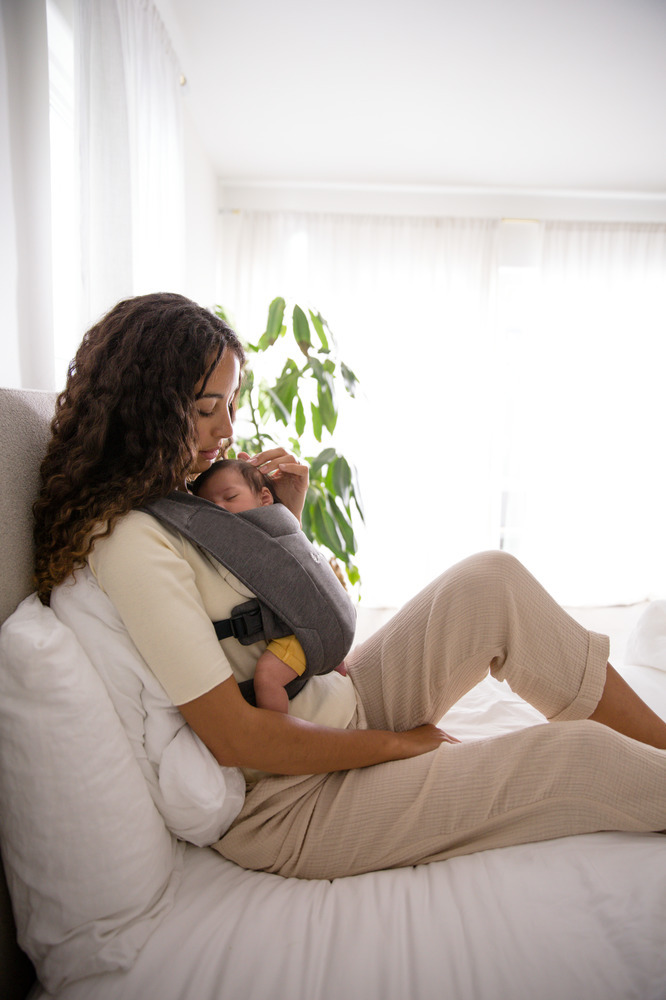
Contact naps are naps taken while your baby is held close to your body. This could be in your arms, on your chest or safely in a baby carrier. These naps are not only comforting for your baby but also support emotional bonding and can help regulate their body temperature, breathing, and heart rate
How Babywearing Can Help Daytime Naps
If you’ve ever wished you could get a few hands-free hours while your baby naps, babywearing may be your secret weapon. Using an Ergobaby carrier, you can:
-
Provide Gentle Motion: The natural sway of walking or moving helps lull your baby to sleep, mimicking the movement they experienced in the womb
-
Encourage Longer Naps: Being close to your caregiver provides comfort and security, often resulting in longer, more restful naps
-
Free Your Hands: You can fold laundry, prep meals, or even work from home while keeping your baby close and content
-
Support Healthy Development: Properly designed carriers support your baby’s hips and spine while ensuring ergonomic comfort for you
Recommended Product: Ergobaby OMNI Deluxe Carrier
Tips for Safe Contact Naps in a Carrier
-
Keep your baby’s airway clear - ensure their chin isn’t pressed against their chest
-
Maintain an upright position, especially for newborns and young infants
-
Always use a carrier designed for infant safety, like Ergobaby’s range of ergonomic carriers
-
Monitor your baby and adjust positioning if they begin to slouch or shift
Embrace the Closeness
Remember, the “baby only sleeps when held” stage doesn’t last forever but it’s also not something to fight against. Contact naps and babywearing offer a safe, soothing way to meet your baby’s need for closeness while giving you the freedom to move through your day
With the right carrier, you can turn those fussy moments into peaceful bonding time - because sometimes, the best naps happen when your baby is right where they feel safest: in your arms