
The Most Googled Baby Questions — Answered by Real Parents

Every question you've typed into Google at 3am, answered clearly, honestly, and with the reassurance you actually need.
You've done the reading. You've watched the reels. You've asked the forums. And you still lie awake wondering if what your baby is doing is normal. Spoiler: it almost always is.
We analysed the most common searches made by first-time mums in Singapore — the questions typed into Google in the dark, between feeds, during the ten-minute window when the baby is finally down. Then we answered them. Clearly. Without the jargon. With the kind of honesty that a trusted friend who also happens to be a maternal health nurse would give you.
Everything here is grounded in current health guidance — from the Singapore Breastfeeding Association, Red Nose Singapore, the Royal Children's Hospital, and the Raising Children Network. We've also woven in real parent voices, because sometimes you just need to know that someone else went through exactly this.
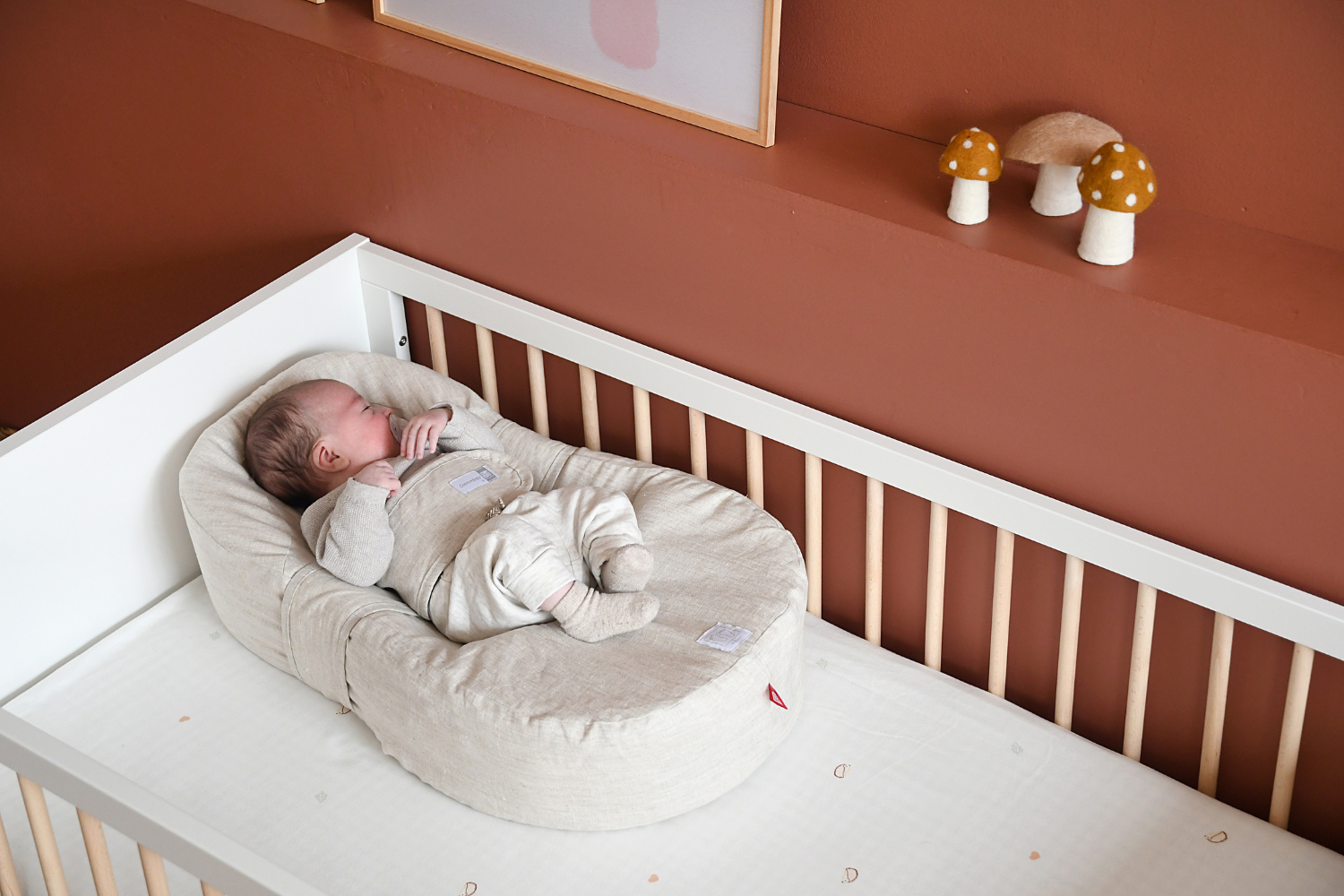
Sleep
1. How much should a newborn sleep?
Quick answer: Newborns sleep 14–17 hours per day, in stretches of 2–4 hours. This is completely normal.
Newborns haven't yet developed a circadian rhythm — the internal body clock that distinguishes day from night. This develops gradually over the first 3–4 months, helped by exposure to natural light during the day and a calm, dim environment at night.
Short, fragmented sleep isn't a sign that anything is wrong. It's biologically appropriate — their tiny stomachs need frequent refuelling, and short sleep cycles are a protective mechanism in early infancy.
What to do: Focus on safe sleep practices (see Safety section) rather than sleep duration. Most babies begin consolidating sleep into longer stretches between 4–6 months, though every baby is different.
"I kept Googling 'is it normal for baby to sleep this much' — turns out the answer is always yes in those first weeks."
Jess, mum of one, Melbourne
2. When will my baby sleep through the night?
Quick answer:"Sleeping through" (5–6 hour stretches) typically begins between 4–6 months — but many babies take longer, and that's normal.
The phrase "sleeping through the night" is one of the most loaded in parenting — and also one of the most misleading. Clinically, it refers to a 5–6 hour unbroken stretch, not necessarily 7–7. Many babies don't reliably achieve this until 9–12 months, and some take longer.
Night waking past 6 months is extremely common and doesn't indicate a problem. Developmental leaps, teething, illness, and growth spurts all temporarily disrupt sleep at any stage.
What actually helps: Consistent bedtime routines (bath, feed, wind-down) from around 6–8 weeks begin signalling sleep to your baby. Darkness, white noise, and a consistent sleep environment all support longer stretches over time.
3. Why does my baby only sleep on me?
Quick answer:Contact sleeping is biologically normal — babies are wired to feel safest close to a caregiver's body.
Your body regulates your baby's temperature, heartbeat rhythm, and breathing rate. From an evolutionary standpoint, being held is safety. This isn't a "bad habit" — it's your baby's nervous system doing exactly what it's designed to do.
The challenge is that it's not always sustainable for parents. A gradual transition to independent sleep — placing your baby down drowsy but awake — can begin once feeding is well established, typically around 6–8 weeks. But there's no developmental harm in holding your baby to sleep, especially in the fourth trimester.
Safe alternatives for contact naps: If your baby only sleeps on you during the day, a bouncer, bassinet with a warm (never hot) mattress, or a baby carrier for hands-free contact time are all options to explore.
"My midwife told me you can't spoil a newborn by holding them. That one sentence changed everything for me."
Priya, mum of two, Sydney
4. Is it safe for my baby to sleep in a swing or bouncer?
Quick answer: No — swings and bouncers are not safe for unsupervised or overnight sleep. They're for supervised, awake use only.
The inclined position in bouncy seats and swings can cause a baby's head to fall forward, compressing the airway — a risk known as positional asphyxia. Red Nose Australia advises that all sleep should occur on a firm, flat surface on the baby's back.
If your baby falls asleep in a bouncer or swing, transfer them to a firm, flat sleep surface as soon as possible. Never leave a sleeping baby in an inclined product unattended.
Red Nose Australia guidance: Always place baby on their back to sleep, on a firm and flat surface, in a safe sleep space — bassinet, cot or portable cot — with no loose bedding.
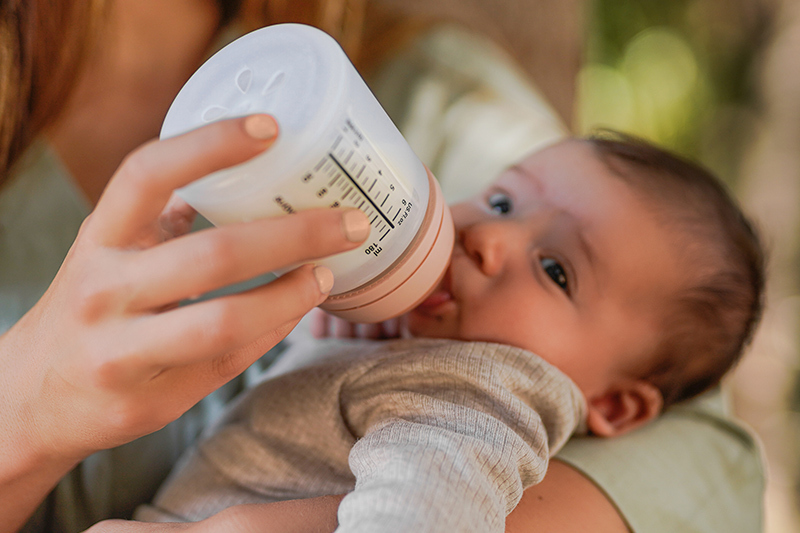
Feeding
1. How often should a newborn feed?
Quick answer: Every 2–3 hours, or 8–12 times in 24 hours. Feed on demand rather than by the clock.
Newborns have stomachs roughly the size of a marble at birth. They fill quickly and empty quickly — which is why frequent feeding is completely normal and necessary. Breastfed babies often feed more frequently than formula-fed babies because breast milk is more quickly digested.
Watch for hunger cues rather than the clock: rooting (turning the head, opening the mouth), sucking on fists, smacking lips, and fussing. Crying is a late hunger cue — if you can catch the earlier signs, feeding is easier for both of you.
When to check in with someone: If your baby is feeding fewer than 8 times in 24 hours in the first week, has fewer than 3–4 wet nappies per day, or is losing weight beyond the expected 7–10% in the first week, speak with your midwife or child health nurse.
"I was watching the clock obsessively. My maternal health nurse said 'watch your baby, not your phone' — best advice I ever got."
Sarah, mum of one, Brisbane
2. Is my baby getting enough breast milk?
Quick answer: The clearest signs: 6+ wet nappies per day after day 5, weight gain tracking on the growth chart, and a baby who seems content between feeds.
You can't see how much milk your baby is drinking at the breast — and that uncertainty is one of the most common sources of anxiety for breastfeeding mums. But there are reliable indicators that breastfeeding is going well.
Signs of good intake: 6 or more wet nappies per day (from about day 5 onwards), regular soft bowel motions, steady weight gain after the initial post-birth dip, audible swallowing during feeds, and a baby who releases the breast spontaneously and appears settled.
Need support? The Breastfeeding Association helpline is available 24/7. It's free, staffed by trained volunteer counsellors, and exists exactly for moments like this
2. How do I know if my baby has reflux?
Quick answer: Spitting up frequently is normal and not necessarily reflux. Reflux becomes a concern when it causes pain, poor weight gain, or breathing difficulties.
Almost all babies spit up — the valve between the oesophagus and stomach is immature in newborns. "Happy spitters" who posset after feeds but are gaining weight well and don't seem distressed are experiencing normal infant reflux that typically resolves by 12 months.
Gastro-oesophageal reflux disease (GORD) involves pain, arching, refusal to feed, poor weight gain, or breathing difficulties. This needs a GP or paediatrician assessment — don't attempt to diagnose or treat it yourself based on online information alone.
What can help: Smaller, more frequent feeds; keeping baby upright for 20–30 minutes after feeding; and ensuring a correct latch if breastfeeding (which reduces air swallowing). These are always worth trying first.
3. Can I give my newborn a dummy?
Quick answer: Yes, once breastfeeding is well established (usually 4–6 weeks). Dummies during sleep are actually associated with a reduced risk of SIDS.
Red Nose guidelines note that using a dummy when settling a baby to sleep is associated with a reduced risk of sudden infant death. The mechanism isn't fully understood, but it's a consistent finding in research.
If you're breastfeeding, it's generally recommended to wait until supply is established and feeding is going well — usually around 4–6 weeks — before introducing a dummy, to avoid any potential confusion in early feeds.
One rule: If the dummy falls out during sleep, you don't need to replace it. Never attach a dummy to a cord, ribbon, or clip while baby is sleeping.

Crying & Settling
1. Why is my baby crying so much?
Quick answer: Crying peaks between 2–8 weeks and is your baby's only way to communicate. It doesn't mean you're doing anything wrong.
Newborns cry to signal hunger, discomfort, tiredness, overstimulation, wind, temperature, or the need for contact. In the early weeks, it can feel impossible to decode — and sometimes there's no clear cause at all. That's normal.
Crying typically peaks in the second month of life and then gradually decreases. This pattern is so consistent across cultures and parenting styles that it's now called the "PURPLE crying" period — an acronym used by paediatric researchers to describe its characteristics (Peak, Unexpected, Resists soothing, Pain-like face, Long-lasting, Evening).
When to seek help: If crying is persistent (more than 3 hours a day, more than 3 days a week, for more than 3 weeks), or if your baby's cry sounds different — high-pitched or unusual — speak with your GP or child health nurse.
"My son cried for what felt like his entire second month. He's now four and hasn't stopped talking. It does get easier."
Amy, mum of three, Perth
2. What is the 5 S's method for settling a newborn?
Quick answer: Swaddle, Side or Stomach position (while held), Shush, Swing, Suck. Used together, these activate a baby's calming reflex.
Developed by US paediatrician Dr Harvey Karp, the 5 S's are based on the idea that newborns are soothed by sensations that mimic the womb environment. They're most effective when used simultaneously rather than one at a time.
How it works in practice: Swaddle your baby snugly (arms in), hold them on their side or stomach position against your body, make a loud shushing sound (louder than you'd expect), add a gentle jiggling motion, and offer a dummy or finger to suck. The combined effect activates the calming reflex quickly in most newborns.
Important: The side or stomach position is for settling while held only — always place baby on their back to sleep, in a safe sleep space, once they're calm.
3. Is it okay to let my baby cry it out?
Quick answer: Graduated sleep training methods (not leaving a newborn to cry) are considered safe and effective from around 6 months, according to current research.
The research evidence on sleep training is nuanced, and this topic attracts strong opinions. What the evidence does clearly show is that leaving a newborn (under 4–6 months) to cry without response is not appropriate — newborns cannot self-regulate and need responsive caregiving.
Graduated approaches — where a parent checks in at increasing intervals — have been studied extensively from around 6 months onwards. A 2016 landmark study in Pediatrics found no evidence of harm to child stress levels, behaviour, or parent-child attachment from controlled sleep training methods when used appropriately.
The bottom line: You are not harming your baby by responding to their cries. And you're not spoiling them. Responsive parenting in the early months is protective, not problematic.

Development
1. When should my baby start smiling?
Quick answer: A first social smile typically appears between 6–8 weeks. Newborn "smiles" before this are reflexive, not social.
The first real smile — where your baby looks at your face and genuinely responds to you — is one of the most significant early milestones. It signals the beginning of social communication and is a key indicator that development is progressing well.
Before 6 weeks, facial movements that look like smiles are usually reflexive (often linked to gas or dream states). The social smile at 6–8 weeks is different — it's directed at you, often accompanied by eye contact and widening eyes.
If there's no smile by 3 months: Mention it to your GP or child health nurse at your next visit. It may be nothing, but it's worth flagging — early intervention for any developmental concerns is always beneficial.
2. When do babies start to see clearly?
Quick answer: Newborns see best at 20–30cm — the distance from your face during feeding. Clear vision develops gradually over the first year.
At birth, your baby can detect light, movement, and high-contrast shapes. They strongly prefer faces and are particularly drawn to the contrast between the hairline and the face. By 2 months, colour vision is improving. By 3–4 months, babies are tracking moving objects across their field of vision.
This is why high-contrast black and white patterns are so effective for newborn sensory play in the first 6–8 weeks — they genuinely can't see much else clearly yet.
3. How much tummy time does my baby need?
Quick answer: Start with 2–3 minutes, 2–3 times per day from birth. Work toward 30 minutes total per day by 3 months.
Tummy time is essential for developing the neck, shoulder, and core strength that underpins all future motor milestones — rolling, sitting, crawling, walking. It also helps prevent positional plagiocephaly (flat head syndrome), which has increased since back-sleeping became standard.
Many babies protest tummy time initially. A firm surface, being chest-to-chest with a parent, or lying on a slightly inclined surface can make it more tolerable in the early weeks. A sensory play mat with textures and visuals helps older babies stay engaged.
Key rule: Tummy time is always supervised, always when baby is awake and alert — never for sleep. If baby falls asleep during tummy time, gently turn them onto their back.
"She hated it for weeks. Then at about 10 weeks she started lifting her head and looking around like she owned the place."
Chloe, mum of one, Adelaide
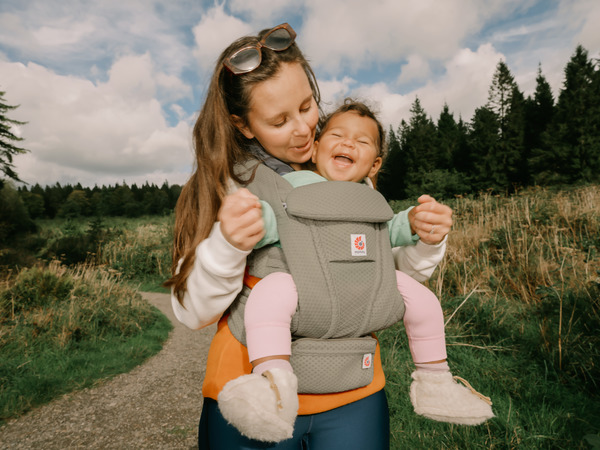
Safety
1. What is safe sleep for a newborn?
Quick answer: Back to sleep, firm flat surface, in their own safe space, room-sharing (not bed-sharing) for the first 6–12 months.
Red Nose safe sleep guidelines are the evidence-based standard in Singapore. The key principles are: always place baby on their back to sleep (every sleep, every carer); use a firm, flat mattress with a fitted sheet; keep the sleep environment free of pillows, doonas, bumpers, and soft toys; and keep baby in your room (but in their own cot or bassinet) for the first 6–12 months.
Room-sharing without bed-sharing is associated with a 50% reduction in SIDS risk. The risks of bed-sharing are significantly increased by parental fatigue, alcohol or medication use, or sleeping on a sofa or armchair — which should never occur.
Temperature: Baby should feel warm but not hot. A simple guide: dress baby in one more layer than you're comfortable in. Avoid hats indoors for sleep — babies regulate temperature through their heads.
2. When can my baby face forward in the pram?
Quick answer: Most babies can safely face forward once they have strong head and neck control — typically around 6 months.
In the early months, facing toward you in a pram or carrier allows you to monitor their airway, comfort level, and alertness. It also supports social development — early communication happens face-to-face. The general guidance is to keep baby parent-facing until they have full head control, which develops around 4–6 months.
Research from the University of Dundee suggests that parent-facing pram use is associated with lower infant heart rates, higher sleep likelihood, and more parent-child talking — all of which are positives for development.
3 Can newborns go out in public?
Quick answer: Yes — fresh air is good for both of you. Avoid crowded enclosed spaces in the first 6–8 weeks, and keep anyone who's unwell away from your baby.
There's no medical reason to keep a healthy, full-term newborn indoors. Getting outside — even briefly — supports your own mental health, which directly impacts your baby's wellbeing. Walks, fresh air, and a change of environment are genuinely good for new parents.
Common sense precautions: avoid large crowded gatherings in the first 6 weeks (when immune systems are most vulnerable), keep anyone unwell away from your baby, and practice hand hygiene for anyone who handles the baby.
Sun safety: sun is strong year-round. Keep newborns under 12 months out of direct sun, especially between 10am and 3pm. Use shade, protective clothing, and a pram canopy rather than sunscreen (which isn't recommended on skin under 6 months).
Every question you've Googled at 3am is a sign you're a great parent.
The anxiety of getting it right? The constant second-guessing? That's not failure — that's love showing up as vigilance. Trust your instincts. Ask for help. And know that the fact you're asking these questions puts you well ahead of the curve.
- 92% of first-time mums report Googling baby questions in the middle of the night
- 4am peak time for new parent online searches globally
- You're not alone every single parent before you has been here too
Find products that give you confidence, not more questions.
Baby Central Singapore stocks a curated range of expert-backed baby essentials — from safe sleep products to feeding systems — with clear guidance on what to buy, when, and why.
A final word on trusting yourself
The most Googled baby questions are Googled by millions of parents every day. Which means you're never actually alone in that moment at 3am, holding your phone with one hand and your baby with the other, trying to figure out if what's happening is normal.
It almost always is. And when it isn't, the signs are usually clear enough that you'll know to call someone — and the healthcare system, your GP, your child health nurse, your midwife, and services like the Maternal and Child Health Line are there for exactly that.
Keep asking questions. Keep trusting your gut. And give yourself the credit you deserve — because raising a human being is the hardest and most meaningful work there is.
Baby Central · Singapore trusted baby specialist
This article provides general information only and is not a substitute for professional medical advice. Always consult your GP, midwife, or child health nurse for personalised guidance. Health information references Red Nose, the Breastfeeding Association, and the Raising Children Network — current at time of publication.