
Sleep Training: Guide for Better Nights

Sleep training remains one of the most searched parenting topics in 2026 — because better baby sleep can transform the whole household. The good news: modern sleep training is more responsive, flexible and baby-focused than ever
This practical guide explains the most effective sleep training methods, when to start, how to build a sleep routine and which sleep essentials can support success
What Is Sleep Training?
Sleep training helps babies learn to fall asleep independently and connect sleep cycles overnight. It focuses on:
-
Consistent bedtime routines
-
Healthy sleep associations
-
Predictable sleep timing
-
Gradual independence at sleep time
Sleep training does not mean ignoring your baby. Popular 2026 approaches emphasise reassurance, structure and age-appropriate expectations
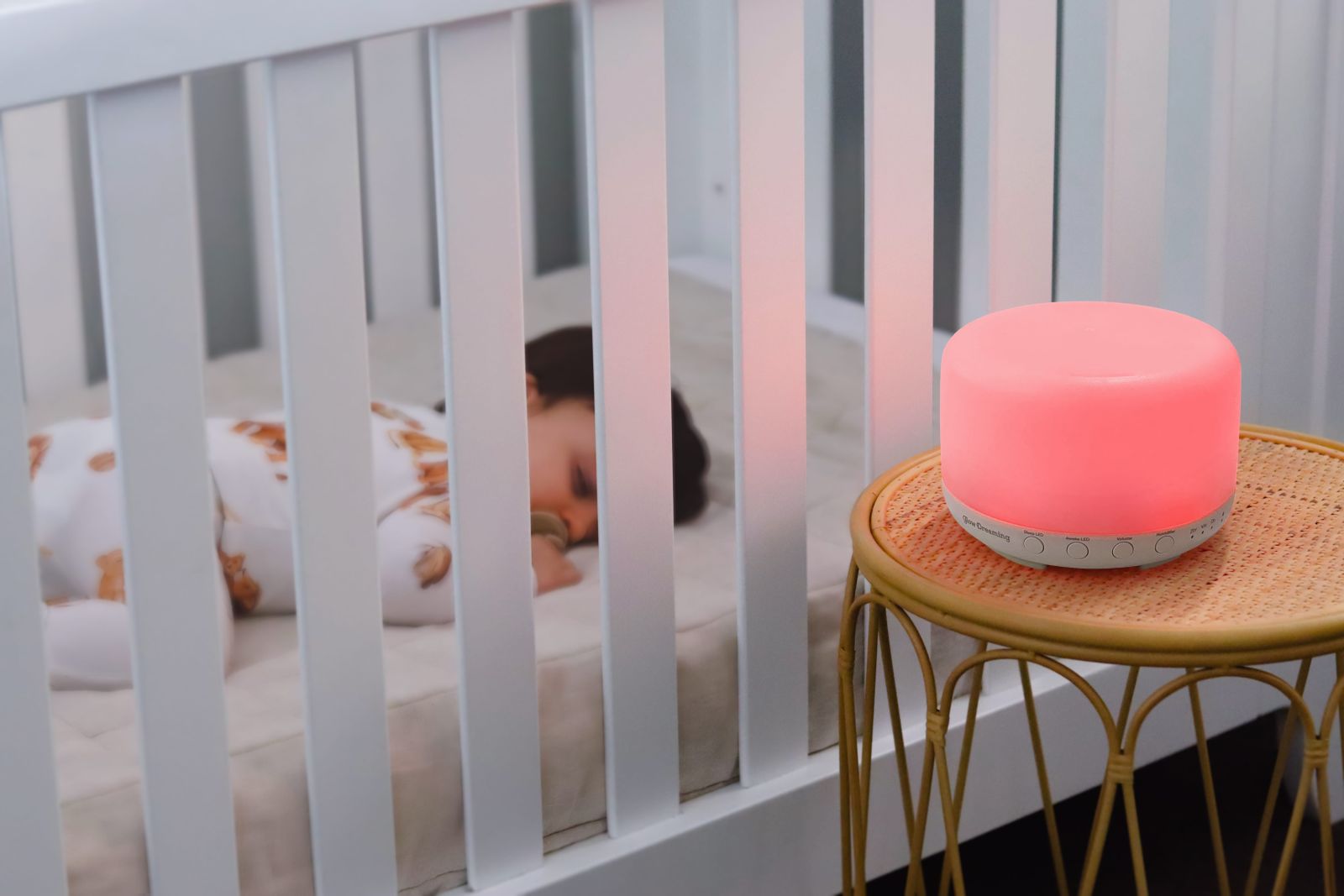
When to Start Sleep Training
Most families begin formal sleep training between 4–6 months when:
-
Sleep cycles mature
-
Baby can take full daytime feeds
-
Night waking patterns are clearer
-
Self-soothing skills begin developing
Before this age, focus on sleep foundations:
-
Regular bedtime window
-
Day vs night light exposure
-
Calm wind-down routine
-
Safe sleep environment
Most Popular Sleep Training Methods
Gentle Responsive Method
Best for parents who prefer minimal crying
-
Stay nearby
-
Use patting or voice reassurance
-
Reduce help gradually
-
Slower but very supportive
Best for: Sensitive sleepers and anxious parents
Graduated Check-In Method
Structured and widely used
-
Put baby down awake
-
Check at timed intervals
-
Brief reassurance
-
Increase intervals gradually
Best for: Families wanting faster results with structure
Pick Up / Put Down
Hands-on and consistent
-
Put baby down drowsy
-
Pick up briefly if crying
-
Put down calm but awake
-
Repeat as needed
Best for: Babies who escalate quickly without contact
Chair Method
Distance-based gradual withdrawal
-
Sit beside crib
-
Move farther away each night
-
Reduce interaction slowly
Best for: Babies who need visible presence
Sample Baby Sleep Schedule (6–8 Months)
-
Morning wake: 6:30–7:00am
-
Nap 1: 9:00am
-
Nap 2: 1:00pm
-
Short catnap: 4:00pm (if needed)
-
Bedtime: 6:30–7:30pm
Consistency in timing often improves sleep faster than method choice
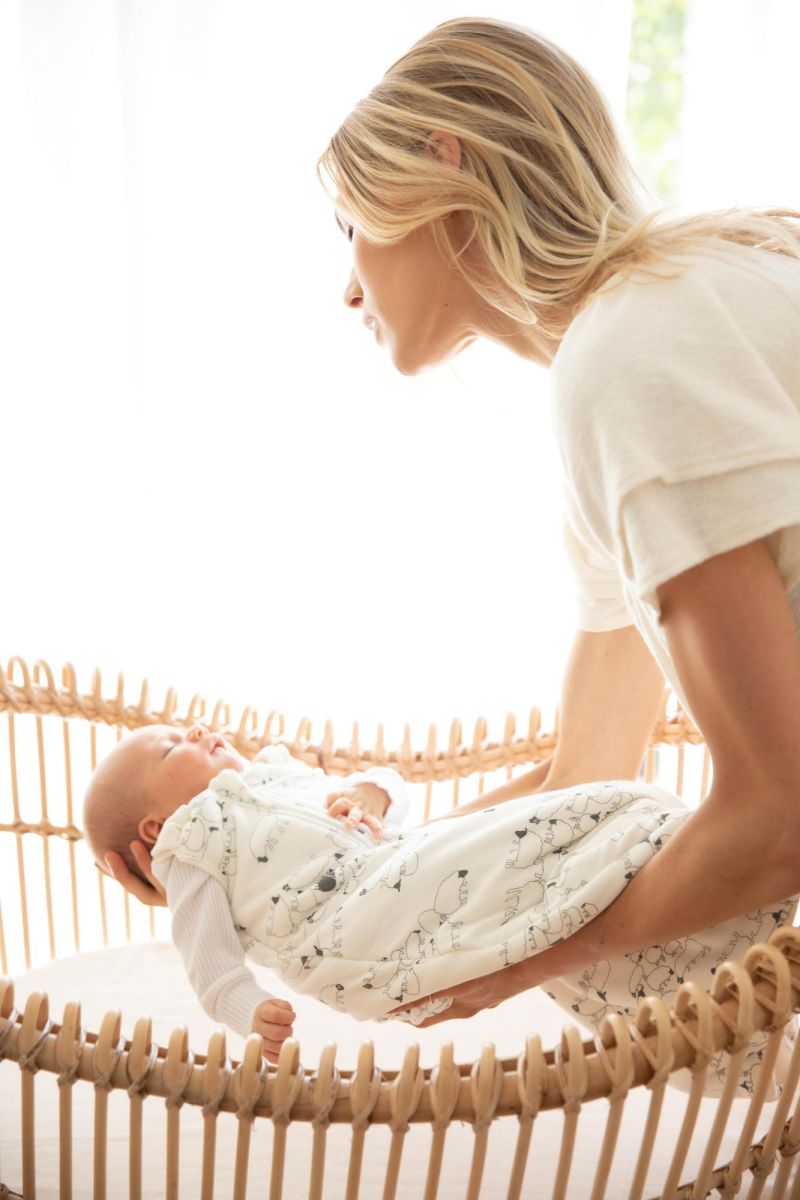
Sleep Training Essentials That Support Better Results
The right environment can significantly improve sleep training success. Popular parent-recommended sleep products include:
Sleep environment must-haves:
-
Breathable sleeping bags or wearable blankets
-
Blackout blinds
-
Comfortable fitted sheets
-
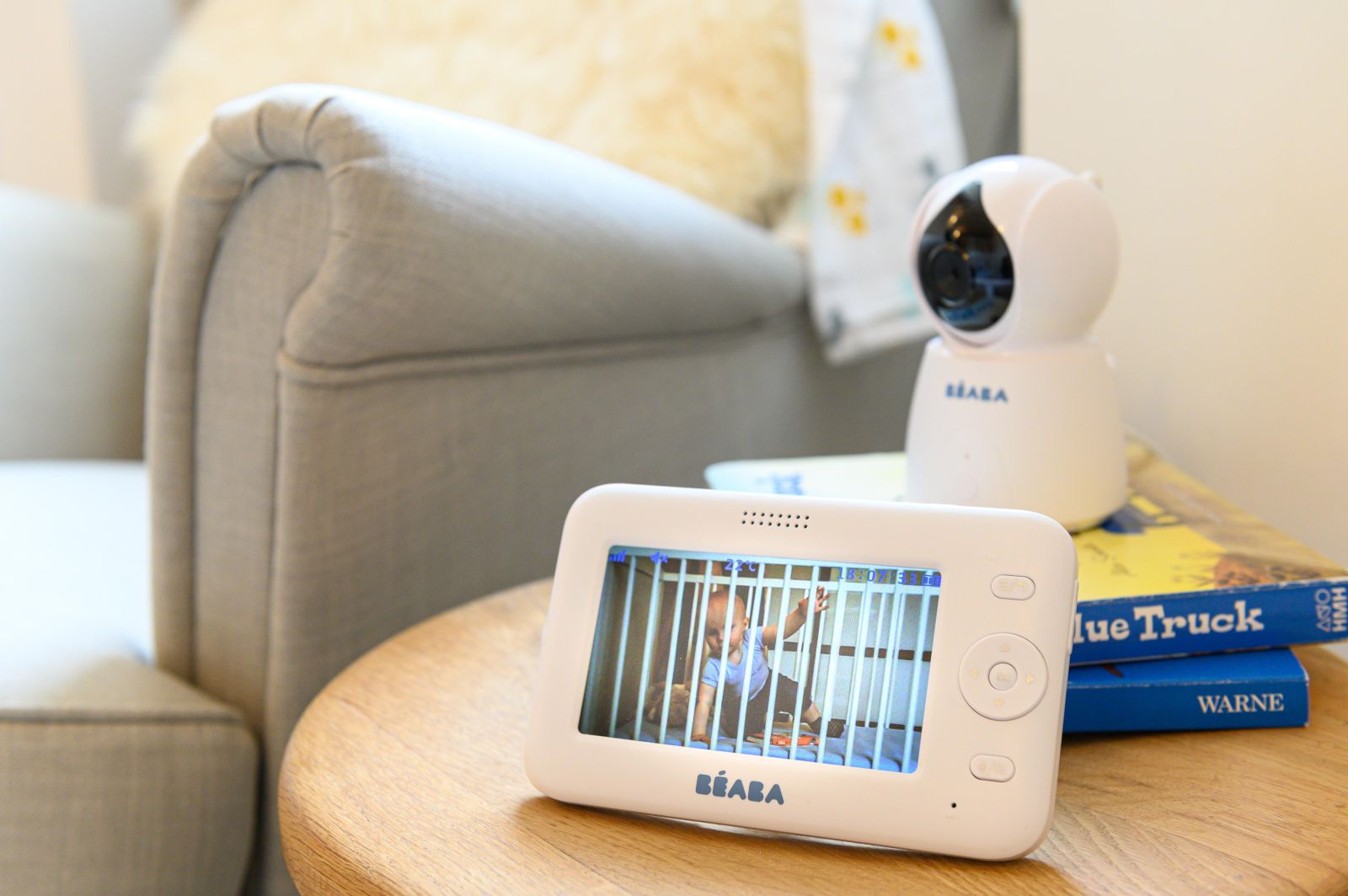
Reliable baby monitor
Comfort helpers:
-
Swaddles (for younger babies)
-
Transition sleep bags
-
Night lights with warm glow
-
Bedtime routine bath products
The Bedtime Routine That Improves Sleep Training Success
A predictable bedtime routine is one of the strongest predictors of sleep training success
Simple 25-minute routine:
-
Bath or wash
-
Pyjamas + sleep sack
-
Feed
-
Quiet book or cuddle
-
Lights dim
-
Into bed awake
Repeat nightly — consistency builds sleep cues quickly
Common Sleep Training Mistakes
Avoid these high-impact setbacks:
-
Starting when baby is overtired
-
Changing methods too often
-
Stimulating play before bed
-
Inconsistent bedtime
-
Expecting zero night waking immediately
-
Ignoring nap schedules
Is Sleep Training Safe?
When age-appropriate and responsive, sleep training is widely considered safe by paediatric sleep experts. Success depends on:
-
Baby’s health and growth
-
Adequate feeding
-
Safe sleep practices
-
Method matched to temperament
-
Consistent parental response
Modern Sleep Training = Flexible, Not Rigid
The most popular sleep training advice in 2026 is clear: follow a method — but follow your baby too. Adjust pace, offer reassurance and stay consistent
Better sleep is not about perfection — it’s about progress!