
Do You Need to Sterilise Baby Bottles? A Parent’s Guide

For new parents, feeding time often comes with plenty of questions. One of the most common is: Do baby bottles really need to be sterilised? The short answer is yes — especially during the early months when your baby’s immune system is still developing
Sterilising bottles helps remove bacteria, germs and milk residue that normal washing may leave behind. It’s a simple step that can help protect your baby from tummy upsets and infections
In this guide, we’ll explain when sterilising is important, how often to do it, and the easiest ways to keep bottles safe and clean
Why Sterilising Baby Bottles Matters
Babies, particularly newborns, have delicate immune systems. Even small amounts of bacteria can cause illness
Milk — whether breastmilk or formula — creates the perfect environment for bacteria to grow. If bottles are not properly sterilised, germs can multiply quickly
Sterilising helps:
- Remove harmful bacteria
- Prevent digestive infections
- Keep feeding equipment hygienic
- Give parents peace of mind
For many families, using a modern steriliser makes this process quick and convenient.
How Long Do You Need to Sterilise Bottles?
Health authorities generally recommend sterilising feeding equipment for at least the first 12 months, especially for formula-fed babies
Sterilising is particularly important when your baby is:
• A newborn (0–3 months)
• Premature
• Sick or has a weaker immune system
As babies grow and begin eating solids, the risk decreases, but many parents choose to continue sterilising bottles and feeding accessories regularly
How to Sterilise Baby Bottles
There are several safe ways to sterilise baby bottles. The method you choose will depend on convenience and your daily routine.
Electric Steam Steriliser
Electric sterilisers are one of the quickest and easiest options for busy parents.
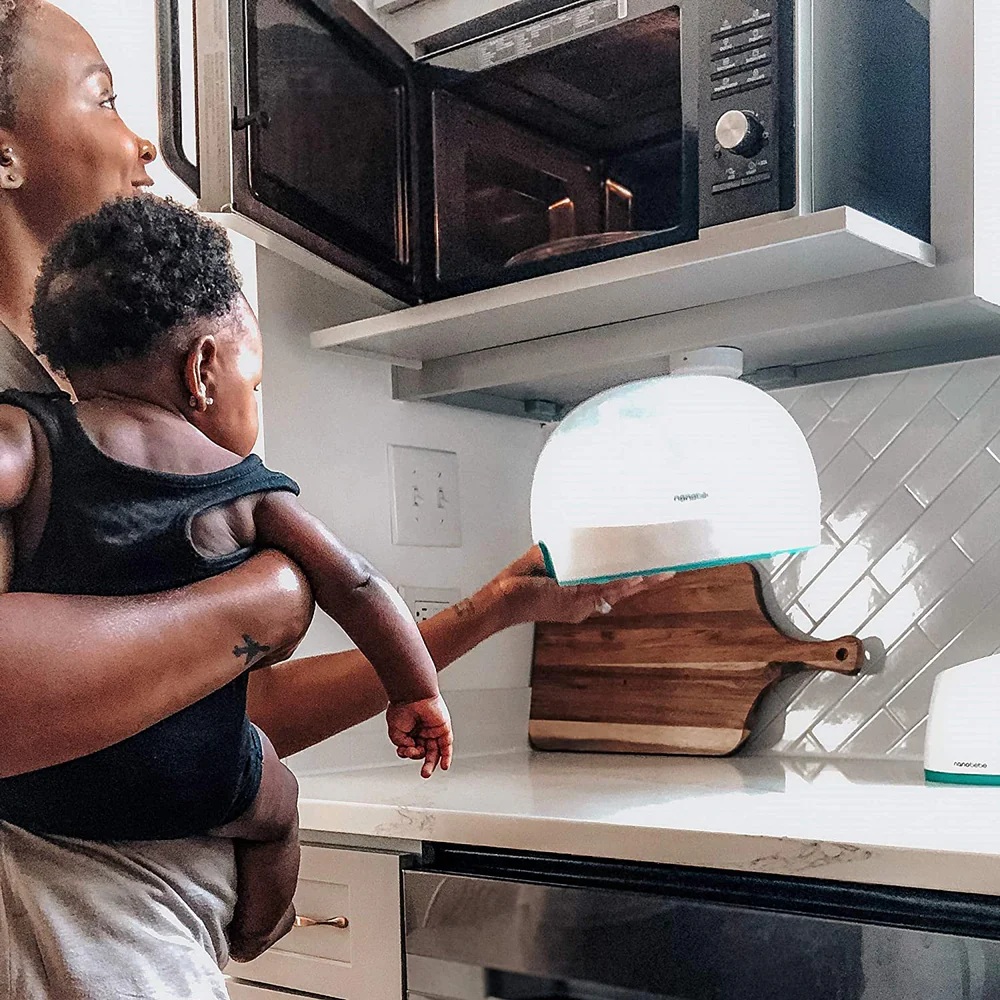
Electric sterlisers uses steam to eliminate bacteria and then dries bottles with filtered air. This means bottles come out ready to use immediately, saving time during busy feeding schedules
Benefits include:
• Fast sterilising cycles
• Automatic drying
• Large capacity for bottles and accessories
• Simple one-button operation
Boiling Water
Boiling bottles in water is a traditional method that still works well
Steps include:
-
Wash bottles thoroughly in hot soapy water
-
Place bottles and parts in a large pot
-
Cover completely with water
-
Boil for at least 5 minutes
Allow items to cool before removing with clean tongs
Microwave Sterilising
Some microwave sterilisers use steam to kill bacteria in just a few minutes.
While fast, they require a compatible container and careful handling due to hot steam
Cold Water Sterilising
Sterilising tablets or solutions can also disinfect bottles in cold water
This method is often used when travelling but requires soaking bottles for around 30 minutes
Tips for Keeping Bottles Clean
Sterilising works best when bottles are properly cleaned first.
Helpful tips include:
• Wash bottles immediately after feeds
• Use a bottle brush to reach all areas
• Separate all parts before cleaning
• Rinse thoroughly before sterilising
• Wash your hands before handling sterilised bottles
Keeping bottles stored in a clean environment also helps maintain hygiene
What About soothers and feeding accessories?
It’s not just bottles that benefit from sterilising. You should also regularly sterilise:
- Soothers
- Bottle nipples/teats
- Breast pump parts
- Teething toys for younger babies
Making Bottle Prep Easier for Busy Parents
Feeding a baby can already feel like a full-time job, especially during the newborn stage when bottles are used frequently throughout the day and night
Using tools that clean, sterilise, and dry bottles in one step can simplify the process and reduce stress during busy feeding routines
The goal is simple: safe feeding equipment with minimal effort, so parents can focus on what matters most — spending time with their baby
Sterilising baby bottles is a simple but important step in keeping your baby healthy, especially during the early months. Whether you choose boiling, microwave methods, or an electric steriliser, maintaining good bottle hygiene helps protect your baby from unwanted germs
With the right routine, keeping bottles safe and ready for every feed becomes quick, easy, and stress-free